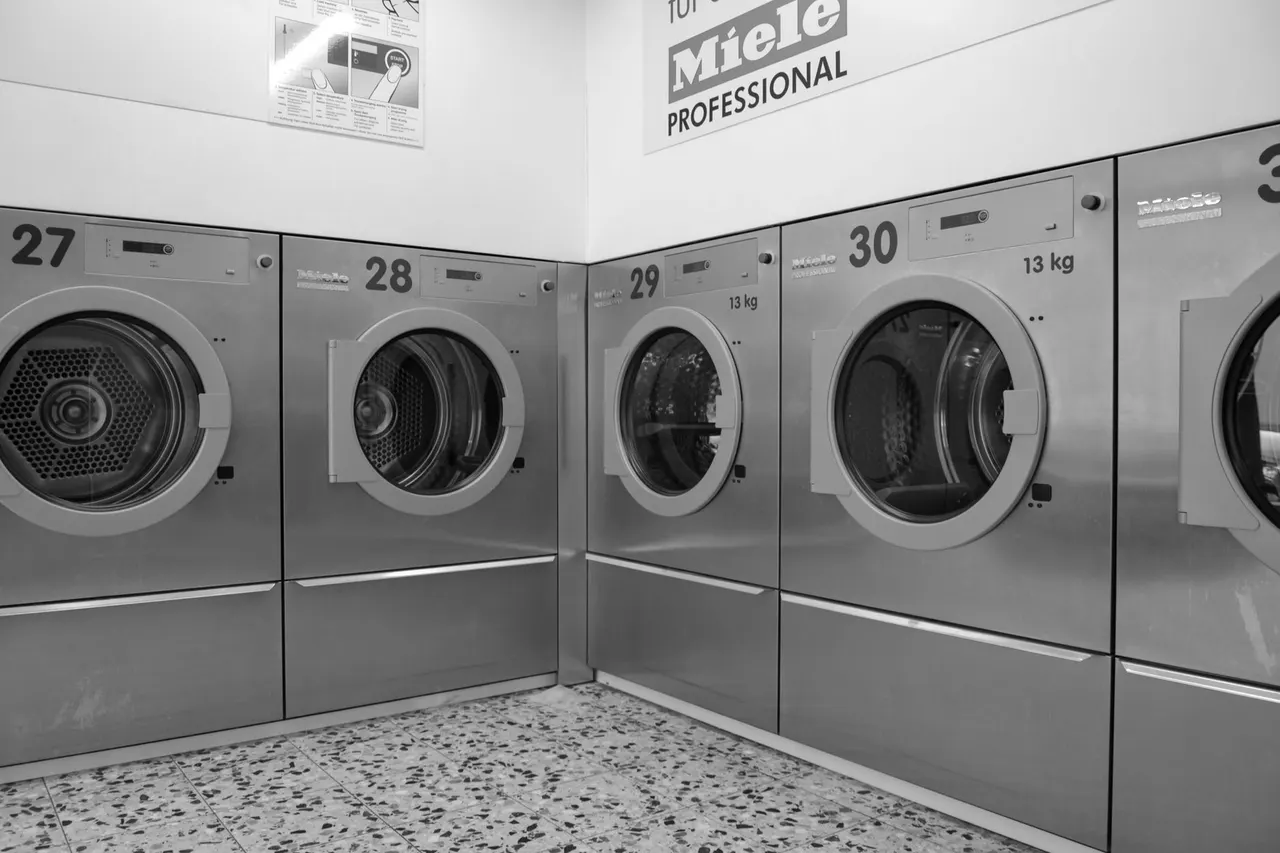
A washer-dryer is a washing machine with a drying system built into the same cabinet — one drum that washes, then heats and tumbles the same load dry. It gives up some capacity and speed compared with two separate machines, and in exchange it fits where separates never will: the kitchen of a flat, a utility press, a house with no garden line and no spare floor space.
Where Dublin Uses Them
Apartments are the big one — a one-bed in the city centre or a rental in Tallaght or Blanchardstown rarely has room for two appliances, and there is no garden to hang a wash in. Rentals are the other: under Regulation 7 of the Housing Regulations 2019, a landlord must provide a washing machine, and a dryer too where there is no private garden or yard — in a flat, that pair of duties usually lands on a single washer-dryer. If the machine in your rented flat fails, the landlord side of that is covered on our landlord page.
Wash-Side Faults: The Usual Washing Machine Faults
Everything on the wash side is the machine you already know: not draining, not spinning, not heating the wash, leaks, door faults, error codes. Those have their own pages on the faults hub — start there if the failure happens during the wash, including not draining and not heating, because a washer-dryer that cannot drain or heat a wash will not dry either.
Dry-Side Faults: The Signature Failures
- Condenser blocked with lint — the classic. Most washer-dryers dry by condensing steam back to water, and the condenser unit slowly packs with lint carried off the clothes. The symptom is always the same: drying takes forever, loads come out hot and damp, cycles stretch past three hours. A condenser clean-out is workshop routine and sits in the standard repair band.
- Dryer heater and thermostats. The dry side has its own heater and its own thermostats, separate from the wash heater. A failed element or a tripped thermostat means the drum turns, air moves, and nothing dries — or the machine cuts the dry cycle dead for safety. Elements and thermostats are standard-band work.
- The dry-side fan. Hot air has to move for drying to work. A failed fan or a fan choked with fluff gives weak, patchy drying and overheating cut-outs.
- Blocked condensate path. The water condensed out of the load has to drain away. If that path blocks, the machine fills back up, drying stalls, and you can get leaks or a machine that stops mid-dry full of water.
The Honest Limits — Read This Before You Book
A washer-dryer dries small loads slowly, and that is not a fault. The drum that holds a full wash load can only dry about half of it at once — dry a full load in one go and it will take hours and still come out creased and uneven. The right pattern is wash the full load, take half out, dry in two batches. If your machine dries a half load properly in reasonable time, it is working as designed, whatever the brochure implied. Book us when a half load will not dry, when drying times have stretched well beyond what the machine used to do, or when the dry cycle cuts out — those are faults, and they are the ones listed above.
Parts, Pricing and Brands
Pricing follows the same bands as our washing machine work, checked November 2026: €79 call-out, credited in full against the repair; most washer-dryer repairs €149–€249 — a condenser clean-out, dryer thermostats and fan work sit in that standard band; major jobs at €279–€420, which on a washer-dryer usually means a control board. No second call-out charge, and if the machine is not worth fixing you pay only the €79 and get the verdict in writing. Samsung washer-dryers are covered like their washing machines — see our Samsung repair page. And if your home has a separate tumble dryer rather than a combined machine, that is a different appliance with its own page: tumble dryer repair in Dublin.
We have traded since 1999 from O'Connell Street, Dublin 1. To book a washer-dryer repair, ring 645 465-6305 or use the booking page — and the cost guide shows the full price picture before you commit to anything.